A ballistics chart is one of the most overlooked tools for shooters who want consistent accuracy, yet many rely on guesswork or outdated data at the range. Whether you're zeroing a rifle for the first time or dialing in long-range performance, understanding how to read and apply a ballistics chart can save ammunition, reduce frustration, and tighten groups significantly.
Why Do Most Shooters Struggle with Drop and Drift?
Common mistake: Many shooters assume their rifle will perform the same way at 300 yards as it does at 100. In reality, bullet drop accelerates dramatically beyond the zero distance. A .308 Winchester cartridge might drop just 1.5 inches at 200 yards but plummet over 40 inches at 500 yards, depending on barrel length and muzzle velocity.
Smart alternative: Start by identifying your cartridge's published ballistic coefficient (BC) and muzzle velocity, then cross-reference those figures on a reliable ballistics chart for your specific zero distance. This gives you a realistic picture of trajectory before you ever step onto the range.
What Happens When You Ignore Wind Deflection?
Scenario: You're shooting a 6.5 Creedmoor at a steel target 600 yards out. A 10 mph crosswind pushes the bullet nearly 24 inches off center. Without consulting the wind drift column on your ballistics chart, you'll waste rounds chasing a zero that doesn't exist.
Smarter approach: Ballistics charts break down lateral drift by wind speed and direction at set distances. Rather than estimating, use these values to hold off precisely. Experienced long-range shooters often adjust their hold in mils or MOA directly from the chart before making a single shot.
Are You Using Outdated or Generic Data?
Another frequent error: downloading a generic ballistics chart that doesn't match your load. Factory ammunition varies between manufacturers, and handloads can differ based on powder charge, bullet seating depth, and brass tolerances. A chart built for a 24-inch barrel won't apply to a 20-inch barrel producing 150 fps less velocity.
Value-focused solution: Build or customize a chart using a ballistic calculator that lets you input your exact muzzle velocity, bullet weight, ballistic coefficient, and atmospheric conditions. Many free tools and apps allow you to export printable charts specific to your setup, giving you a reference card to tape to your stock or range bag.
How Does Temperature Factor Into Your Data?
Overlooked detail: Powder burn rate changes with temperature. A load that chronographs at 2,750 fps in July may clock 2,680 fps on a cold January morning. That 70 fps difference translates to roughly 2–3 inches of additional drop at 400 yards—enough to miss a vital zone on a hunt or lose points in competition.
Practical fix: Create separate ballistics charts for warm and cold conditions, or use an environment-sensitive calculator that adjusts density altitude automatically. Carrying two laminated reference cards costs nothing and eliminates one variable from your shot process.
Is There a Faster Way to Read Your Chart Under Pressure?
Scenario: A competition shooter has 90 seconds to engage three targets at varying distances. Flipping through a lengthy chart under time pressure leads to rushed decisions and missed shots.
Efficient alternative: Pre-mark the most common distances you shoot and highlight those rows in bold or color code them. Some shooters create abbreviated "cheat sheets" with only the data they need for a specific match stage. Preparation at home translates to confidence downrange.
What Should You Do Next?
If you haven't updated your ballistics chart in the past year, start by verifying your current muzzle velocity with a chronograph, input your data into a trusted calculator, and print a fresh reference card. Treat your ballistics chart the way pilots treat preflight checklists—not optional, but essential for safe, predictable results every time you pull the trigger.
Size Chart – GK Elite Sportswear

Size Chart – GK Elite Sportswear
Size Chart | Costume Shop, Gymnastics Costumes, How To Wear

Size Chart | Costume shop, Gymnastics costumes, How to wear
Size Chart - Gymnastics Kits
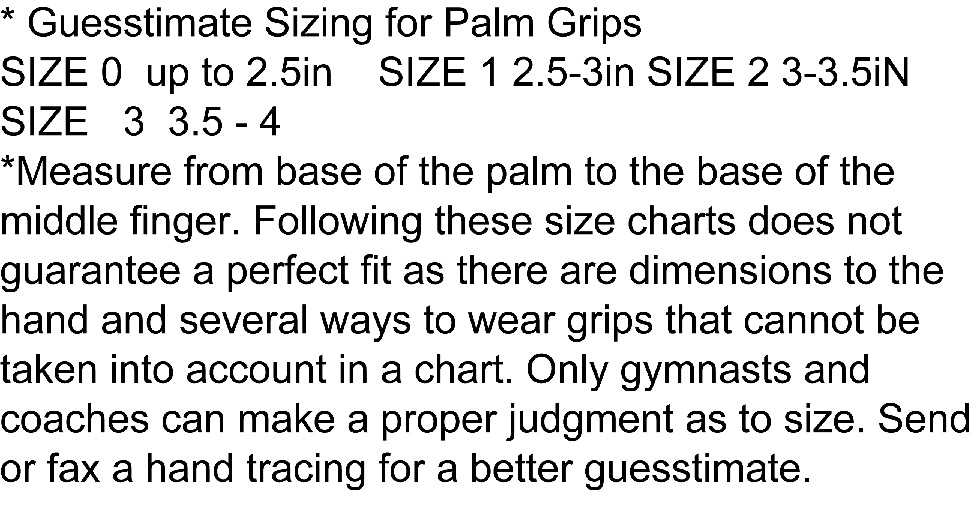
Size Chart - Gymnastics Kits