Parents striving to help their children thrive often wrestle with a cluttered to‑do list, vague goals, and an overwhelming sense that “something isn’t working.” By treating a child’s growth like a small project—complete with clear milestones, regular check‑ins, and a simple digital board—families can turn ambiguity into actionable steps. Below is a practical roadmap that blends everyday parenting with proven project‑management tactics, showing how a structured plan can boost confidence, learning, and long‑term development.
What Makes a Structured Progress Plan Effective for Kids?
When a goal is broken into bite‑size tasks, children see immediate outcomes instead of an endless horizon. This approach:
- Creates focus. Specific actions (e.g., “read 15 minutes before bedtime”) replace vague aspirations like “read more.”
- Builds habit loops. Repeating a small win triggers dopamine, reinforcing the behavior.
- Provides measurable feedback. Parents can celebrate achievements and adjust tactics without guessing.
By visualizing these steps on a shared board, families keep the “why” in sight while the “how” stays concrete.
How Can Parents Turn Everyday Tasks into Measurable Milestones?
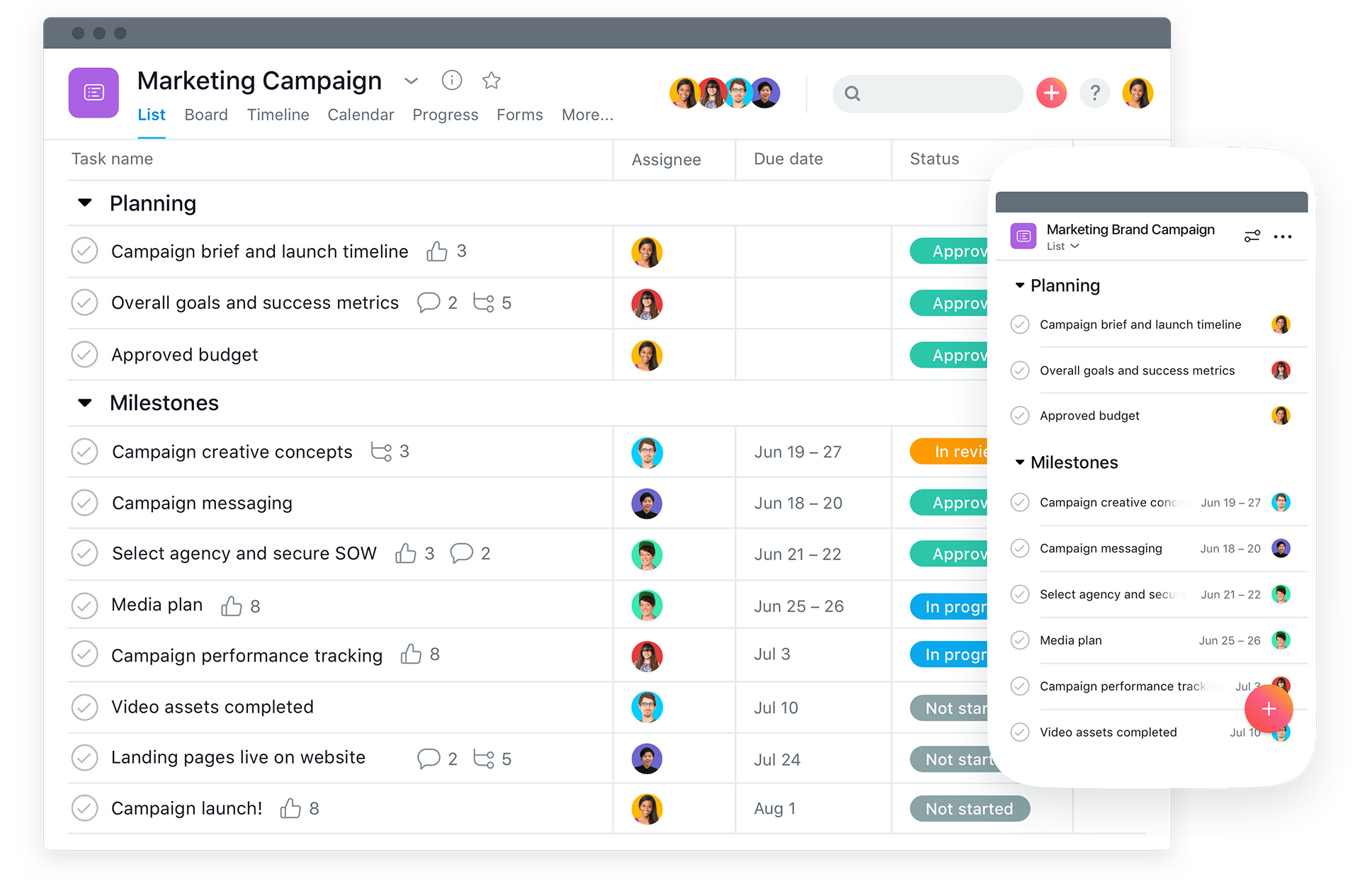
Start with the routines already on the household calendar—homework, chores, screen time, and extracurricular practice. Convert each routine into a “task” with three components:
- Specific outcome. Instead of “practice piano,” write “play C‑major scale for 5 minutes.”
- Timeframe. Attach a realistic deadline like “by Friday evening.”
- Success indicator. Use a simple checkmark, a smiley sticker, or a brief note (“nicer tone”).
When children see a completed column, the sense of progress becomes palpable, encouraging them to tackle the next line.
Which Tools Offer Real‑Time Visibility Without Overcomplicating Family Life?
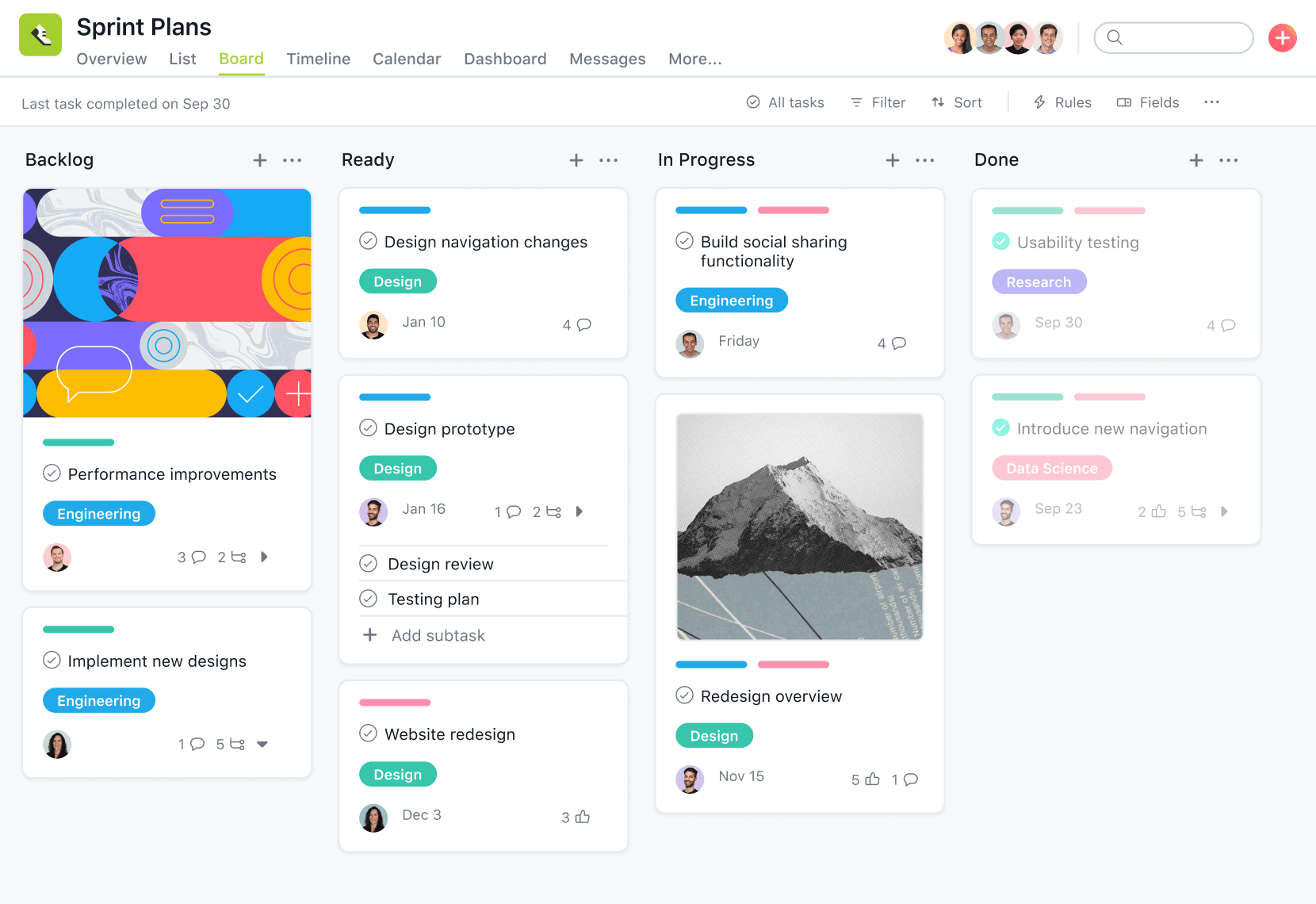
Digital platforms such as Asana provide a free, intuitive board that families can customize with colors, icons, and child‑friendly language. The benefits include:
- Live updates that sync across phones, tablets, and desktops.
- Notification settings that remind without nagging.
- Shared comments where a child can add a quick note (“I felt proud!”) and a parent can reply with encouragement.
Because the core is a simple “to‑do” list, the learning curve remains shallow—perfect for busy households that need a quick‑setup solution.
What Are the Common Pitfalls When Tracking Child Development?
Even the best‑designed system can backfire if it becomes a source of pressure:
- Over‑tracking. Logging every minute can feel invasive; focus on high‑impact activities instead of exhaustive monitoring.
- Rigid expectations. Children’s moods and energy vary; allowing “flex days” prevents frustration.
- Neglecting the human element. A checklist is a tool, not a substitute for conversation. Regular check‑ins should emphasize feelings, not just completed items.
Balancing structure with flexibility keeps the process supportive rather than punitive.
How Do You Keep Momentum When Life Gets Busy?
When schedules shift—school holidays, unexpected work trips, or illness—retain progress by:
- Re‑evaluating priorities. Trim the list to one or two core tasks that matter most that week.
- Leveraging micro‑wins. Celebrate a five‑minute reading burst as much as a full chapter.
- Embedding review into routine. A 5‑minute Sunday “board walk” lets the family see what’s done and what’s next, reinforcing continuity.
These tweaks ensure the system adapts rather than stalls, preserving the habit loop without demanding perfection.
Creative Project Management Software For Design Teams · Asana

Creative project management software for design teams · Asana
8 Best Legal Project Management Software - ProjectManager
8 Best Legal Project Management Software - ProjectManager
Enhancing Project Management: Exploring Monday Alternatives
Enhancing Project Management: Exploring Monday Alternatives